
Day Zero
an extract from my new book, A Field of Stars: Finding my way along the Camino de Santiago

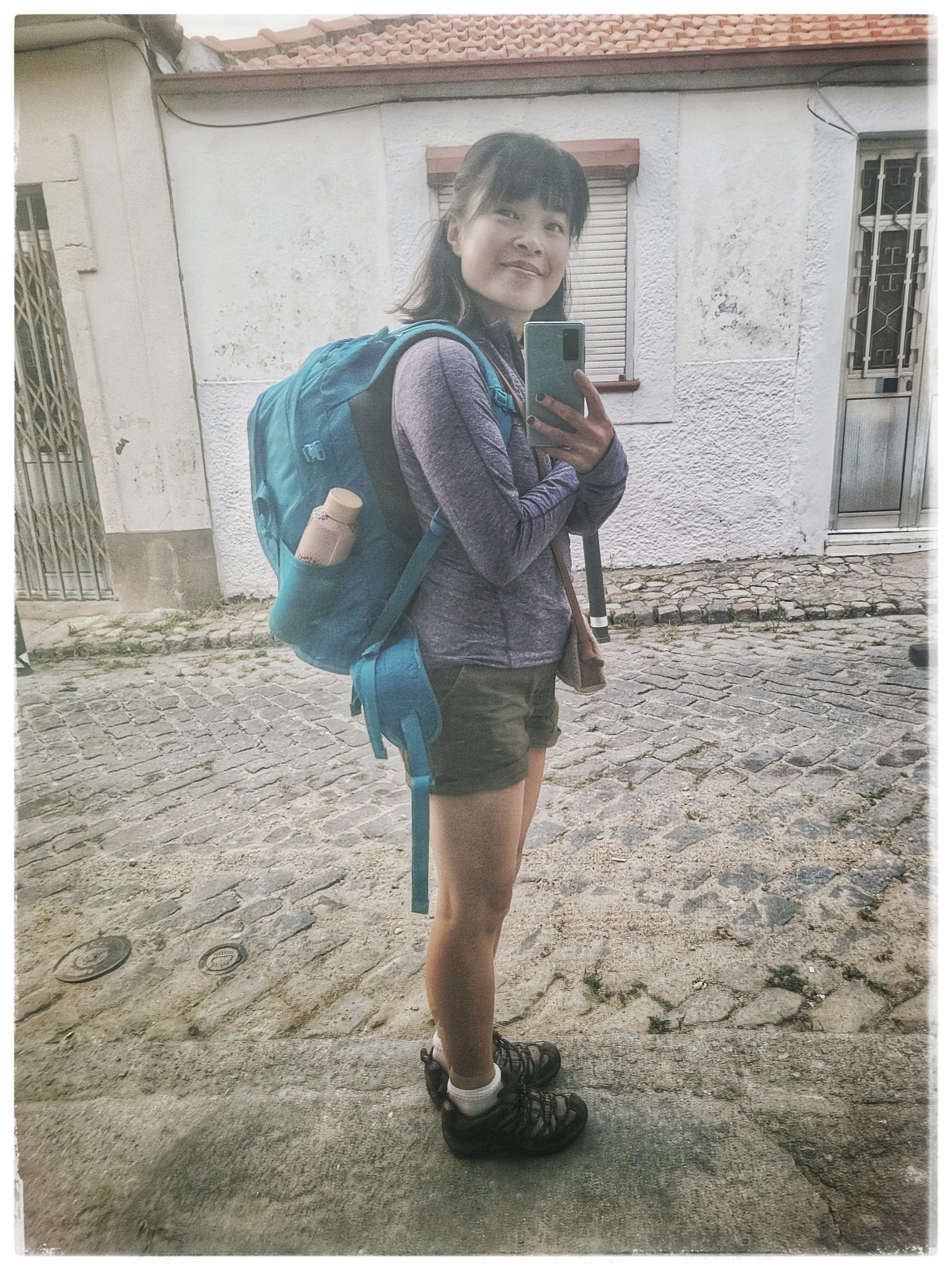
I’m lying awake at 2am, the night before I’m set to start my first camino. Two men are snoring – one on the bunk beneath me, the other on the lower bunk closer to the window. There are four bunks in this room, eight beds. An older woman I said hello to earlier grumbles and turns in her sleep. Someone I have only seen as a silhouette in the dark opens their phone, making a corner of the room glow. The windows are closed and it’s hot, but outside the air is full of smoke, so we can’t open them. I’m sweating. I want to turn over again, but each time I move, the bed creaks, and the creak seems to echo around the room and down the hall. It’s 2.20am now. In about four hours, I’ll get up. Re-pack my bag, join the communal table for breakfast. Check the map and go. I really want to sleep. The map says I have five and a half hours of walking to get to my first stop. But the snores are loud. Worse, they are uneven. Didn’t someone do a science experiment once with a hundred metronomes, and prove that if you start them all at different times, eventually they will synchronise? Why can’t the same thing happen with snorers? That would help, a little. Another train rumbles past. It sounds like it’s on the other side of the wall.
A few hours earlier, I’m walking alone through the city of Porto. I’d just had lunch at the first open café I found during siesta hours, a plate of rice, potatoes, fried eggs, and salad. A few tables away, an elderly woman with flaming red hair sits by the window. She has an espresso in front of one hand and a big glass of red wine in front of the other, and she knows everyone. People stop by the window and walk up to her table to chat to her. I can’t understand the language, but I understand the knowing in her raspy voice; the wisdom, delight and mischief in her eyes. I think of my grandma in Miri, Malaysia, of walking with her through the outdoor market. I can still feel her cool, soft hand leading me by the elbow, her jade bangles pressing into my skin. She knows everyone, too. I aspire to this future. To be old, to walk through my local shops, to sit in my local café, for people to know my favourite things without my having to order. To know people, to be known, to sit and walk and be the carrier of all these stories.
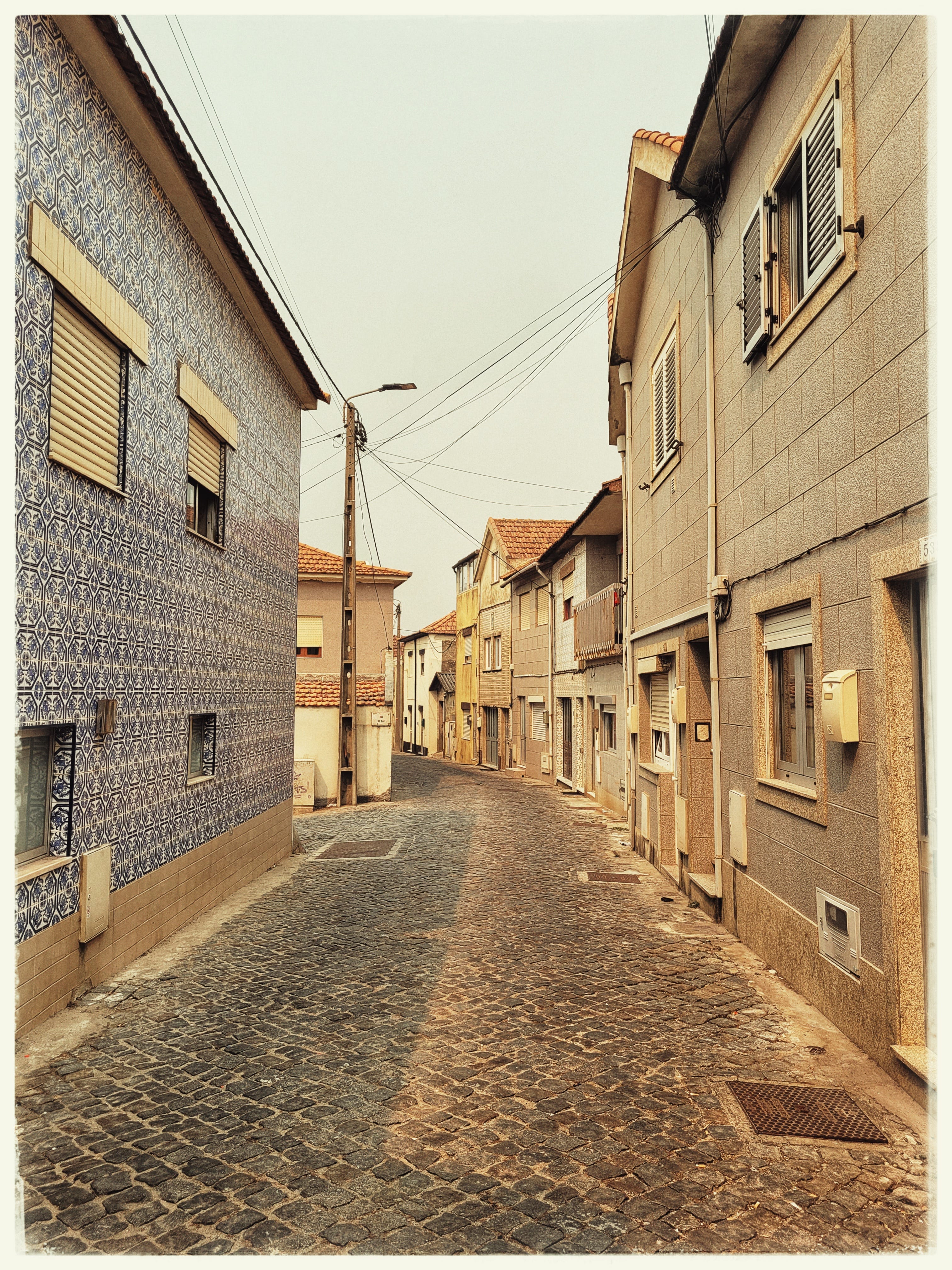
Outside, it’s hot and the air is thick with smoke. Fires have grown wild to the east, and they show no signs of fading. The Torre dos Clérigos tower chimes the tune of all bell towers; it echoes deeply over the roofs of bright-walled buildings. The sound travels down laneways, cutting through the heavy air. I pause to watch and listen as ravens circle the star at the top. It feels like the end of days, and I haven’t even started yet. I hold my sleeve over my mouth and squint, trying to see the city I know is beautiful behind this eerie light, but it’s hard to see past the smoke which highlights the cracks in the tiles and the rubbish on the street. People around me wear masks, harking back to a time in the recent past that no one likes to talk about anymore. I hurry back to my accomodation.
I’m spending the night in this albergue, one of many hostels open exclusively for pilgrims. That’s me, now: a pilgrim. The word is ancient, and it makes me feel a part of something huge. It not only connects me with the hundreds of thousands of people who walk to Santiago every year, but to the millions upon millions of pilgrims who have walked these paths since the middle ages.
There’s nothing glamorous about this place, but it has the essentials, and that’s the point. Walking towards the kitchen to refill my water bottle, I see an old, grey dwarf cat curled on an armchair next to the dining table. I stop for a while to sit on the floor in front of it, stroking its chin as it purrs and presses its cheek against my hand. A man appears from the living area. He looks like the softest, dark-haired, gentle giant. He squats next to us and strokes the cat, too.
“English?” I ask.
“No,” he shakes his head with a smile.
I point to myself. “Amy.”
“Oh!” His face lights up, after a pause to process what I’m saying. He points to himself. “Timo.”
It’s late, and the building has that floating feeling of many people sleeping. We turn our attention back to the cat, and then we say goodnight.
Just before bed, I stand in the bathroom next to the man who’s been assigned the bunk beneath me. We nod at each other’s reflections, smiling politely with our eyes, toothbrushes in our mouths. It’s so strange, brushing my teeth next to a stranger. It’s the kind of intimate act normally only reserved for family, close friends, and lovers. Yet here I am, brushing my teeth next to an older man I don’t know. Minutes later, I try to sleep in this room full of strangers. Listening to the sounds of them breathing, knowing who falls asleep with their phones, aware of how they turn, or don’t; how they breathe and mutter in the dark.
can you sleep even through
the snoring,
and the heat
and the rumble of trains
in the night?
~ a thought poem
Porto, 3.30am, 18 September, 2024
For me, this is the first challenge of the camino. I haven’t even officially taken my first step. But in the morning, on next to no sleep, I’m about to. This night, these wide-awake hours, feel like a question: even when it seems like everything is trying to get in the way, can you still do what you need to do?
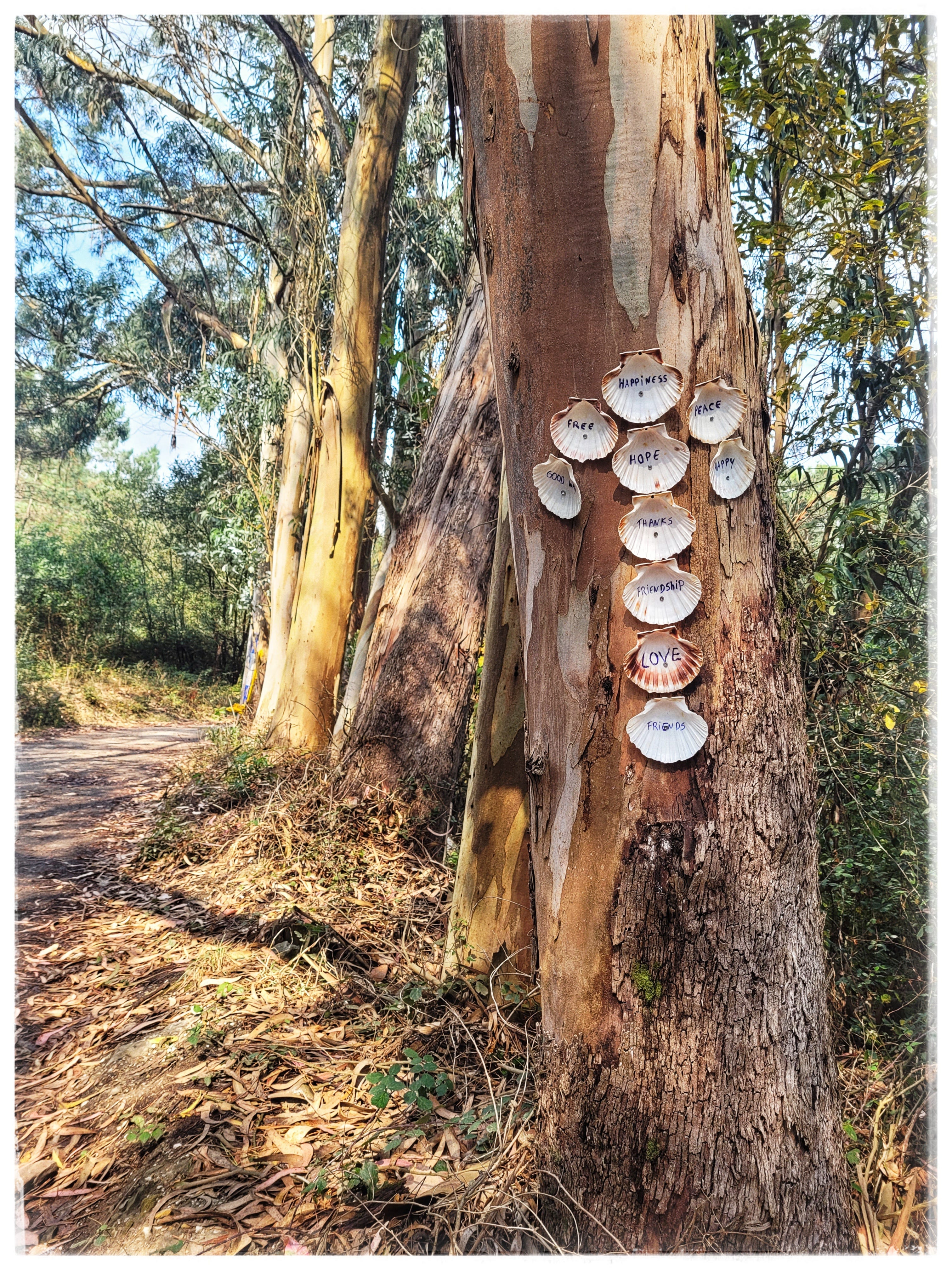
For nearly 1200 years, pilgrims have walked the Camino de Santiago to pay homage to Saint James, one of the earliest apostles and the patron saint of Spain. Although this journey was traditionally undertaken as a religious punishment – sentenced or voluntary – to absolve one’s sins, today thousands of people walk the various paths towards the Santiago de Compostela for their own reasons.
Camino, in Spanish
Caminho, in Portuguese
Chemin, in French
It translates in English to ‘the way’, or journey, and there is something poetic about it. It’s about making your way there. Whatever ‘there’ means to you, the compostela is merely a physical embodiment of that. Thousands of people arrive most days throughout the year, having walked hundreds of kilometres from several directions, all leading towards the same destination. Many start alone, but on the camino – as in life – you are never really alone. The closer you get to Santiago, as the paths converge, this becomes clearer and clearer.
I am not religious. My parents raised my brother and I outside of any church or temple. Growing up, my closest connection to religion was a few Religious Education classes in primary school, singing about the Virgin Mary and Baby Jesus in Christmas carols, and my paternal grandparents in Malaysia who would take us to the Taoist temple to burn incense and bow before the gods and crackled black-and-white pictures of our ancestors. I remember the burning, pungent sticks being placed between my palms, my grandmother holding my shoulders to place me in front of the altar. I watched as my grandparents, parents, uncles and aunties mumbled words and bowed three times. No one ever told me what to say, and I didn’t feel like I could ask.
So I stood there, a child with three incense sticks slowly burning down between my palms, thinking words I thought I was supposed to say: Hello, it’s me Amy, I don’t know if you can understand English, but thank you and please look after us. I hope this is ok. Xie Xie, Amen.
Even then, I trusted that somewhere along the phone line between this world and the next, language transcends words and space and time. Intent and meaning are universal.
I had heard about the camino through friends who had walked it. Over the last few years, it kept appearing on my radar: this long walk that was more than a walk, a pilgrimage with a weight and depth that piqued my curiosity. I already had a trip planned to Europe. I had the time, and I’d be close.
I’d also be 39 years old. I felt on the cusp of a new chapter of my life. There was something about doing this before turning 40 that felt significant, like marking a threshold between who I had been and who I was becoming. The path ahead felt open, exciting, and a little scary. The unknown always is.
A few nights before I left Melbourne, I sat in the living room with the curtains open, watching the sky change from sunset to darkness, leaving only the silhouette of eucalyptus and birch trees, and the silver moon. I shuffled my deck of tarot cards, asking what message I should carry with me on this trip to the other side of the world.
The card I pulled was The Star.
The Star card depicts perfect balance: a figure beside water, one foot on land, one in the lake, gazing peacefully at bright stars above. Everything is exactly as it needs to be.
I had an immediate sense that the Star would be a moment I’d experience along the camino. I wasn’t sure how exactly, but I was certain the feeling of the Star would be a part of it. Somewhere along the way, between land and sea and under the protective guidance of the stars, this deep knowing that everything is and would be ok would settle within me.
It also occurred to me that in the order of the tarot, The Star comes after The Tower – a much less peaceful card that symbolises letting go. The Tower depicts a tall structure being struck by lightning, with figures falling from its heights. It represents the necessary destruction that must occur before renewal can begin. Looking at The Star in my hands, I felt both reassured and slightly uncomfortable. What would I need to release to find this peaceful balance?
“I really want to walk the Camino de Santiago,” one more friend said to me as we hiked through a forest in Tasmania.
In that moment, I knew that I was going.
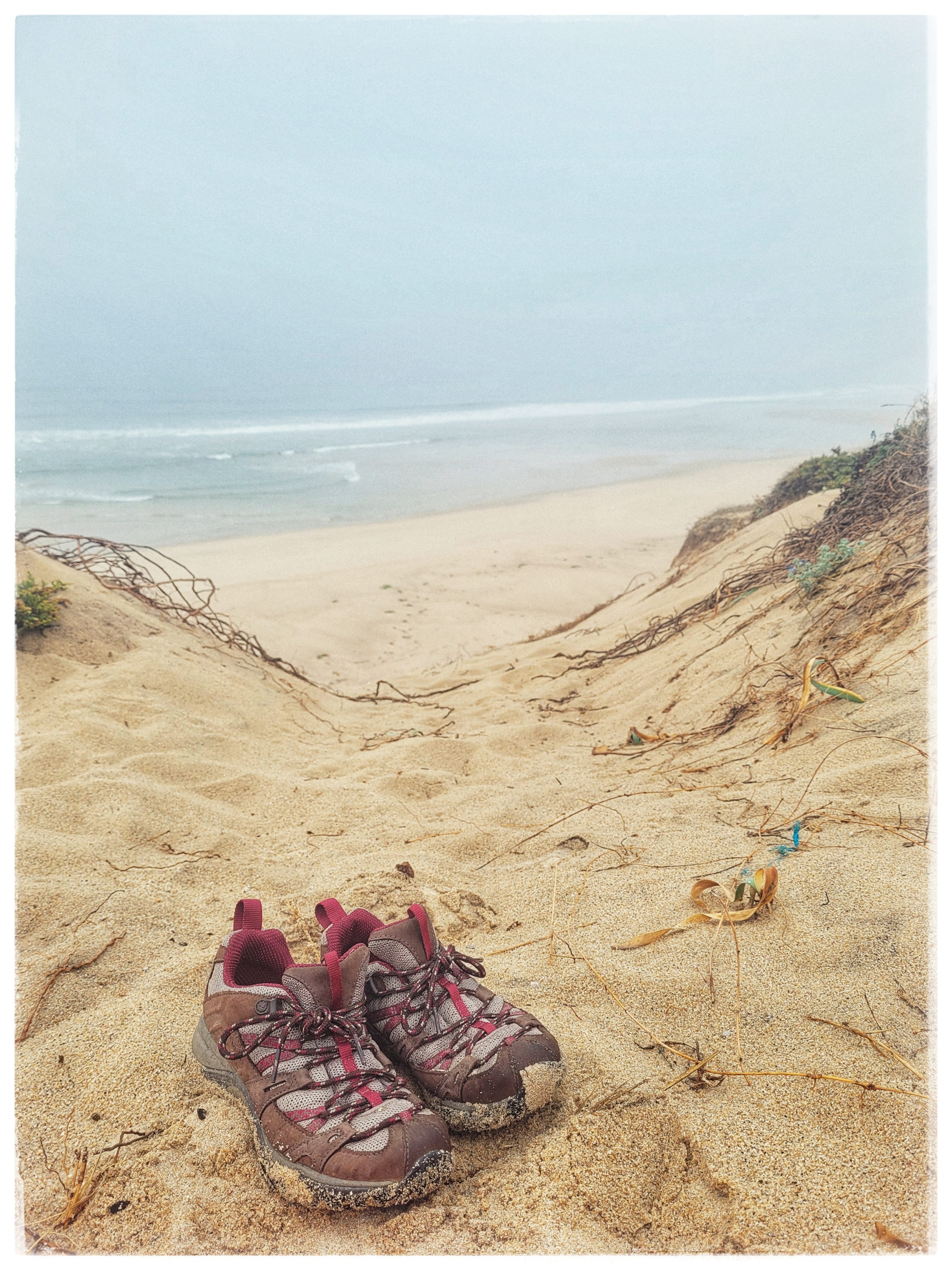
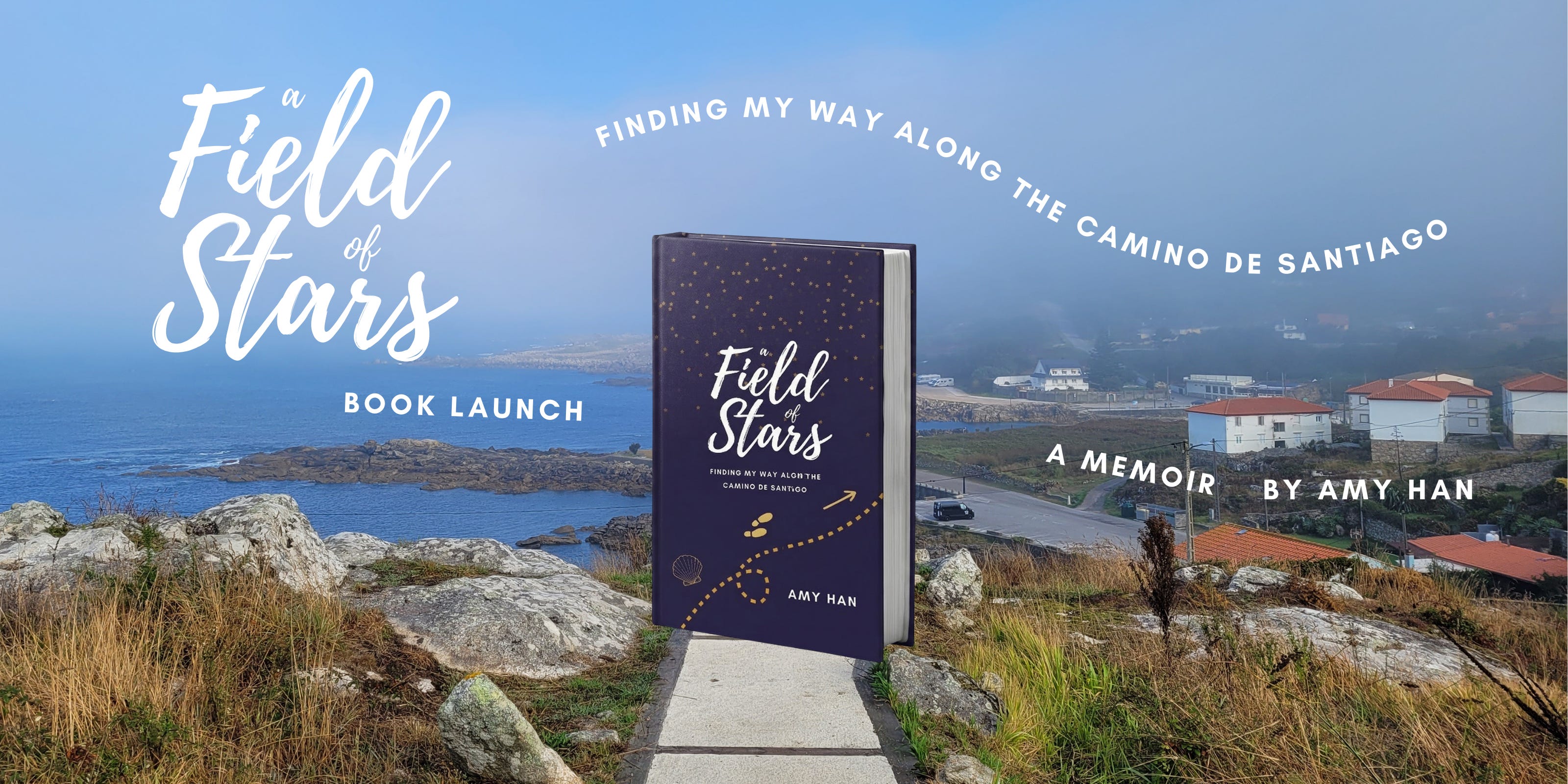
This is an extract from the beginning of my new book, A Field of Stars: Finding my way along the Camino de Santiago. Copies are now available, in paperback and e-book, via my author page.
✨ Book Launch: A Field of Stars by Amy Han ✨
Saturday April 18, 12 - 3pm ~ Ringwood, VIC
Join me to celebrate the launch of A Field of Stars, a memoir about walking the Camino de Santiago - and everything the road teaches you when you stop trying to control where it leads.
There will be a long table, simple food, and warm company. There will be a conversation about the book, a reading, time for questions, and books to have signed and take home.
Free event, RSVPs essential. Find your invite here!
This has definitely left me wanting to read more!